





Somewhere between a fan sketch posted at midnight and a heartfelt manga passed between strangers at a convention, doujen moe exists. It is not a brand or a product. It represents a creative culture — shaped by emotional authenticity, independent artistic expression, and a strong connection to fictional characters that feel strikingly real.
- What Is Doujen Moe?
- The Meaning of Doujin and Moe Separately
- Origins and Cultural Roots of Doujen Moe
- Key Characteristics of Doujen Moe Content and Style
- The Psychology Behind Doujen Moe and Emotional Attachment
- Visual Aesthetics and Artistic Techniques
- Why Doujen Moe Is Gaining Popularity
- Doujen Moe vs. Traditional Doujinshi and Mainstream Manga
- The Role of Community and Creative Freedom
- Popular Platforms and Where to Find Doujen Moe Content
- Doujen Moe and Its Influence on Indie Publishing and Creative Industries
- Doujen Moe and Otaku Subcultures
- Global Spread of Doujen Moe Beyond Japan
- How Beginners Can Start With Doujen Moe
- Ethical Considerations and Challenges in Doujen Moe
- The Future of Doujen Moe
- Conclusion
- FAQs
If you have stumbled across the term online and found no satisfying answer, that is exactly what makes this space worth exploring. This guide covers everything you need to know: what it means, where it came from, why it keeps growing, and how you can be part of it.
What Is Doujen Moe?
At its core, doujen moe blends two ideas from Japanese creative culture into a single expressive movement.
The first part — doujin (also spelled doujinshi) — refers to self-published, fan-made works. These include manga, comics, novels, illustrations, and games created outside mainstream publishing. No big company behind them. No editorial filter.
The second part — moe — is a Japanese slang term describing a deep emotional attachment toward fictional characters. Not necessarily romantic. More like warmth, fondness, and a protective feeling — the kind you get when a character just gets you.
Together, doujen moe describes fan-created content where emotional appeal and endearing character design are the central focus. The goal is not commercial polish. It is sincerity, charm, and connection.
The Meaning of Doujin and Moe Separately
Understanding each word on its own helps clarify why its combination carries such weight.
Doujin represents independence. Creators work outside traditional publishing systems, sharing stories directly with their audiences. There are no gatekeepers. A teenager with a drawing tablet and a story idea has the same access as anyone else.
Moe represents emotional resonance. In Japanese fan culture, it describes the feeling of strong affection toward a character — especially those who seem innocent, cute, vulnerable, or deeply relatable. It appears heavily in anime, manga, Boys’ Love (BL) storytelling, and gaming culture.
When combined, these two concepts create something greater: a space where creative freedom meets emotional depth.
Origins and Cultural Roots of Doujen Moe
This culture did not appear overnight. Its roots stretch back centuries in Japan.
Fan-made illustration and storytelling trace as far back as the Edo period, when amateur artists produced their own printed works outside official channels. The instinct to create independently and share with others is not a digital-age invention — it is deeply human.
After World War II, doujinshi communities began to formalize. Small groups of creators, called fan circles, printed limited copies of their work and distributed them at local events. The culture spread through word of mouth, fueled entirely by passion rather than profit.
The Role of Doujinshi Culture and Comiket
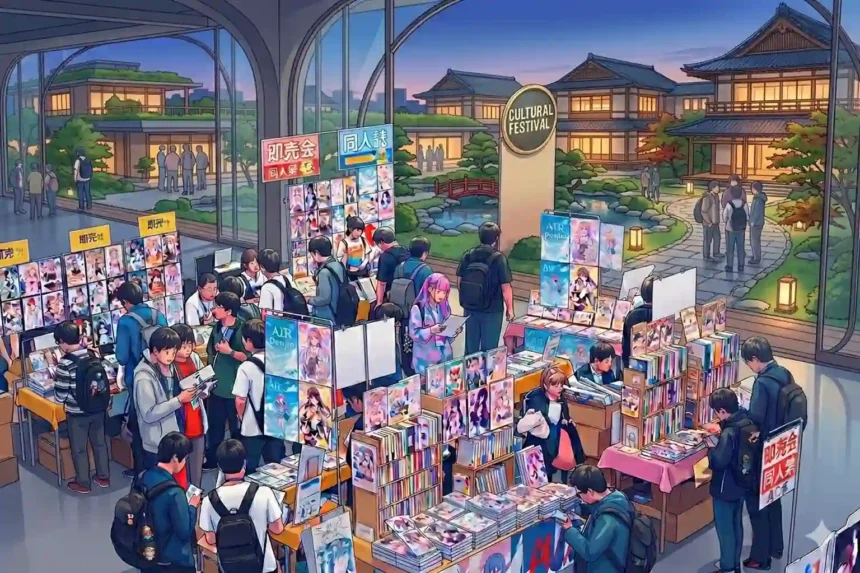
The biggest turning point came with Comiket — short for Comic Market — held in Tokyo. It grew into the world’s largest comic convention, drawing tens of thousands of independent artists who sell directly to fans. No publishers. No middlemen.
Comiket created a physical home for doujin culture. Artists could share work, receive feedback, and build communities around shared creative interests. That spirit of collaboration and artistic freedom became the backbone of what would eventually evolve into the broader doujen moe movement.
How Moe Aesthetics Entered Fan Publishing
As anime expanded in the late 20th century, a particular aesthetic began dominating fan-created spaces — expressive, emotionally rich characters designed to trigger deep affection. Artists leaned into cuteness, vulnerability, and emotional appeal.
Online platforms accelerated this shift dramatically. Suddenly, creators could reach global audiences without printing a single page. The moe aesthetic fused with doujin’s independent spirit, and the result traveled far beyond Japan.
Key Characteristics of Doujen Moe Content and Style
The visual and narrative style of this culture has a recognizable texture, even if it varies across creators.
Common visual traits include:
- Bright or soft color palettes that feel warm and inviting
- Big, expressive eyes that communicate emotion instantly
- Gentle, rounded character designs that emphasize softness
- Imaginative, low-stakes settings like cozy rooms, quiet gardens, or small towns
Story themes tend to lean toward friendship, gentle romance, everyday warmth, and slice-of-life moments. Drama exists, but rarely for shock value. The emotional weight comes from sincerity, not spectacle.
Character Archetypes in Doujen Moe
Characters in this space often fall into familiar types — not because creators lack imagination, but because these archetypes carry emotional shorthand.
You will frequently encounter the quiet dreamer, the cheerful protagonist, the gentle companion, and the shy, endearing side character. Each archetype carries its own emotional nuance. Readers connect fast, even in short-form comics.
What makes these characters work is not complexity — it is relatability. They feel familiar in a comforting way.
Storytelling Approaches in Doujen Moe Works
Most stories prioritize emotional bonding over plot-driven action. A typical narrative might follow two characters sharing a meal, navigating a small misunderstanding, or simply existing together in a warm, unhurried world.
Light fantasy, everyday warmth, and soft narratives dominate. The best doujen moe stories make readers feel something without explaining why.
The Psychology Behind Doujen Moe and Emotional Attachment
Why do people form such strong connections to fictional characters in this space?
The answer lies in how moe art is designed. Characters with big, expressive eyes trigger recognition responses similar to how humans react to infants — we feel protective, warm, and emotionally engaged almost automatically.
Beyond that, fans often project their own emotions onto these characters. The shy girl who struggles to speak up, the tired hero who keeps going anyway — these resonate because they mirror real feelings. The art creates a safe emotional space where those feelings can exist without consequence.
Community interaction deepens this further. Sharing fan-made content, discussing characters, and collaborating on stories builds genuine friendships. The line between enjoying art and belonging to something larger begins to blur.
Visual Aesthetics and Artistic Techniques
Technique matters in this culture, even when the goal is simplicity.
Skilled doujen moe artists typically rely on:
| Technique | Purpose |
| Simple linework | Keeps the focus on expression over detail |
| Soft gradients | Creates warmth and emotional softness |
| Minimal shading | Maintains that approachable, gentle look |
| Rounded shapes | Signals safety, softness, non-threat |
| Warm color choices | Triggers comfort and familiarity |
What separates average fan art from genuinely moving work in this space is intentionality. Every color choice, every expression, every pose works toward an emotional goal.
Why Doujen Moe Is Gaining Popularity
Several forces collide to explain the surge in interest heading into 2026.
Digital tools democratized creation. Drawing tablets, free software like Krita or Clip Studio, and tutorial communities on YouTube removed almost every barrier to entry. Anyone can start creating today.
Nostalgia drives engagement. Fans who grew up with older anime in the 2000s now create their own content, often inspired by the emotional tone of shows they loved. That nostalgic warmth feeds directly into the moe aesthetic.
Social media amplifies reach. A single piece of fan art shared on Twitter or TikTok can reach thousands overnight. Viral content cycles bring new audiences into the space constantly.
Global appetite for Japanese culture continues to grow. As anime becomes mainstream worldwide, the broader subculture around it — including doujen moe — gains fresh participants from every corner of the world.
Doujen Moe vs. Traditional Doujinshi and Mainstream Manga
These terms overlap but are not identical.
Traditional doujinshi is a broad category. It includes parodies, adult content, serious fan fiction, experimental storytelling, and everything in between. It is defined more by format (self-published) than tone.
Doujen moe is defined by emotional intent. Its emphasis on warmth, innocence, lovable characters, and personal creativity distinguishes it from darker or more overtly commercial doujin content.
Mainstream manga, meanwhile, operates within publishing systems with deadlines, editorial control, and commercial targets. The authenticity that makes fan-created work feel alive often gets refined away in professional production.
The Role of Community and Creative Freedom
No part of this culture exists in isolation. Community is structural to it.
Creators share work, request feedback, and collaborate across formats. Writers pair with illustrators. Character designers inspire story writers. Online platforms like Pixiv, Discord servers, and Reddit communities keep these conversations alive around the clock.
What makes this collaboration different from professional environments is the absence of commercial pressure. People contribute because they want to. That shifts the entire dynamic — feedback becomes encouragement, criticism becomes craft discussion, and participation becomes belonging.
Popular Platforms and Where to Find Doujen Moe Content
If you want to explore this world, these are the platforms worth knowing:
- Pixiv — the primary hub for Japanese fan art and original moe illustrations
- Twitter/X — active creator community, hashtag-driven discovery
- DeviantArt — a global platform with a strong Western doujen moe presence
- Reddit — discussion communities and content sharing
- Discord — real-time collaboration and fan circle coordination
- Etsy — prints, stickers, pins, and handmade merchandise from independent artists
- Comiket — the ultimate physical destination for serious fans and creators
Doujen Moe and Its Influence on Indie Publishing and Creative Industries
Fan culture does not just consume mainstream media — it shapes it.
Trends that emerge from doujin circles regularly influence mainstream anime character design, storytelling conventions, and even game development. The slice-of-life genre’s dominance in modern anime owes a significant debt to fan-created work that proved audiences wanted quiet, emotionally grounded stories.
Independent publishing thrives here. Mini-comics, zines, and indie volumes find audiences at conventions and through online marketplaces. Creators who start with fan work develop craft and confidence that carry them into professional careers.
Doujen Moe and Otaku Subcultures
Doujen moe sits within the broader otaku ecosystem — but holds its own distinct identity.
Otaku culture spans anime, manga, games, figures, and collectibles. Within that wide landscape, doujen moe occupies the space that values emotional aesthetics and independent creative expression above all else. It is less about consuming official products and more about creating your own emotional relationship with fictional worlds.
Global Spread of Doujen Moe Beyond Japan
This movement no longer belongs exclusively to Japan.
Artists from Europe, Southeast Asia, Latin America, and North America now contribute to the space, bringing local storytelling traditions into conversation with Japanese moe aesthetics. Online platforms dissolve geographic barriers entirely.
What travels across languages and cultures is the emotional core: innocence, nostalgia, longing, and affection resonate universally. A soft illustration of two characters sharing an umbrella in the rain needs no translation.
How Beginners Can Start With Doujen Moe
Getting started requires less than most people assume.
- Start exploring — browse Pixiv, follow creators on Twitter, and join Discord communities.
- Start creating — free tools like Krita or Procreate work well for beginners.
- Follow tutorials — YouTube has strong communities teaching exactly this style.
- Share early — communities here reward sincerity over technical perfection
- Engage genuinely — comment on work you love, ask questions, collaborate when invited
Whether this stays a hobby or grows into something more depends entirely on you. Many working illustrators today started with a single fan sketch posted online.
Ethical Considerations and Challenges in Doujen Moe
This space is not without complications.
Copyright remains a gray area. Many works build on existing franchises. Some companies tolerate or even encourage fan creativity; others do not. Staying closer to original characters and stories reduces legal exposure significantly.
Commercialization threatens authenticity. When market-driven trends replace genuine creative expression, the emotional sincerity that defines the movement weakens. Communities actively push back against this.
Sustainability challenges creators. Producing high-quality work without financial support requires real dedication. Art block, limited resources, and the difficulty of building an audience are genuine obstacles — not ones that passion alone always solves.
The Future of Doujen Moe
The trajectory points upward.
AI-assisted art tools are already entering this space, raising questions about authenticity but also lowering barriers for creators with strong ideas but limited technical skills. VR galleries and interactive media will likely open new formats for emotional storytelling.
Global creative networks continue to grow. The community is expanding, diversifying, and producing work that increasingly influences mainstream creative industries. The emotional core — connection through character, authenticity over commercial polish — will remain the movement’s defining quality regardless of how the technology changes around it.
Conclusion
Doujen moe is not a trend waiting to peak and fade. It is a culture built on something durable: the human need to express feeling through art and share it with others who understand.
From the fan circles of postwar Japan to the global digital communities of 2026, the instinct has not changed. Create something honest. Make a character feel real. Find the people who feel it too.
That is what this movement has always been about.
FAQs
FAQ 1: What does doujen moe mean?
Doujen moe combines “doujin” — self-published, fan-made creative works — with “moe,” a Japanese term for deep emotional affection toward fictional characters. Together, the phrase describes a culture of independent, emotion-driven creative expression.
FAQ 2: Is doujen moe a real cultural movement?
Yes, though it exists more as an evolving subculture than a formally organized movement. It grew from Japanese fan culture and doujinshi traditions and has expanded into a recognized global creative community.
FAQ 3: What is the difference between doujen moe and doujinshi?
Doujinshi refers broadly to self-published fan works regardless of tone or content. Doujen moe specifically emphasizes emotional warmth, cute or endearing characters, and sincere personal storytelling — it is a subset defined by aesthetic and emotional intent.
FAQ 4: What does moe mean in Japanese?
In Japanese, moe describes a strong emotional affection for a fictional character — particularly one who seems cute, innocent, or deeply relatable. It is about a warm emotional connection, not physical attraction.
FAQ 5: What is the history of moe?
The concept became widely used in Japan during the 1990s through anime, manga, and gaming communities. It described characters who triggered protective or affectionate feelings in fans. Over time, it spread globally alongside the international growth of anime culture.
FAQ 6: Why is emotion important in doujen moe?
Emotion is the entire point. This creative space prioritizes how art makes people feel over technical quality or commercial appeal. The strongest work in this culture succeeds because it creates genuine nostalgia, comfort, or connection — not because it looks polished.
FAQ 7: Where can I find doujen moe content?
Pixiv and DeviantArt hold the largest collections. Twitter and TikTok surface trending work through hashtags. Reddit and Discord host active discussion communities. Comiket in Tokyo remains the premier physical event, and Etsy carries merchandise from independent creators worldwide.
FAQ 8: What is the future of doujen moe?
AI-assisted art tools, VR galleries, and interactive media will expand how this culture expresses itself. Global collaboration will deepen. The emotional core — authentic, independent, character-driven creativity — will remain central regardless of how the surrounding technology evolves.